
Older homes have a way of telling stories. The trim may be thicker than what builders use today, the rooms may have a lived-in warmth, and the layout may carry details that feel personal rather than mass-produced. Still, even the most charming home can begin to feel tired when surfaces wear down, systems fall behind, and small problems start stacking up.
Making an older home feel new does not always mean stripping it down and starting over. In many cases, the best updates are practical and layered over time. A brighter kitchen, a safer entry point, better drainage, cleaner outdoor spaces, and reliable systems can change how the whole home feels.
A fresh coat of paint may help, but it will not solve hidden leaks, poor wiring, or exterior wear. A smart refresh starts with protection and safety, then moves toward comfort, beauty, and daily convenience.
Starting With the Parts That Protect the Home

Before choosing cabinet colors, flooring samples, or new furniture, it helps to look at the parts of the home that quietly protect everything inside. Older homes can hide problems for years. A small leak behind a wall, a weak spot overhead, or worn exterior materials may not seem urgent at first, but those issues can damage new finishes later.
One of the smartest first steps is a roof inspection. This gives homeowners a clearer picture of the home’s condition before money is spent on interior updates. A professional can look for missing shingles, damaged flashing, soft areas, poor ventilation, and signs of water intrusion.
This matters because water damage rarely stays contained. A small opening can lead to stained ceilings, damp insulation, peeling paint, mold concerns, or warped drywall. If a homeowner renovates a bedroom or living room before finding the source of a leak, the new work may need repairs within months.
When problems are found, timely roof repair can help prevent a larger project from becoming necessary too soon. That may involve replacing damaged shingles, sealing flashing around vents, correcting small leaks, or addressing areas where water collects.
Homeowners should pay attention to early warning signs, such as:
- Brown or yellow stains on ceilings
- Musty smells in upper rooms or attic spaces
- Missing, curling, or cracked shingles
- Damp insulation
- Dripping sounds during rain
- Light showing through attic boards
An older home feels newer when it feels dry, secure, and protected. That sense of confidence often starts above the ceiling, long before the visible updates begin.
Improving Drainage and Exterior Cleanliness
Water has a way of revealing weak spots in an older home. It runs along siding, pools near foundations, splashes dirt onto walls, and finds gaps that may have gone unnoticed for years. That is why exterior drainage and cleaning deserve attention early in a home refresh.
Gutters are a good example. When they are sagging, cracked, clogged, or pulling away from the roofline, they do more than look worn out. They may send water toward the foundation, basement, crawl space, windows, doors, and landscaping. Over time, that moisture can create staining, soil erosion, rot, and interior dampness.
Gutter replacements can improve both appearance and protection. Newer systems can move water more effectively, sit straighter along the roofline, and give the exterior a cleaner look. For an older home, that small visual improvement can make a surprising difference.
Fireplaces and chimneys also deserve attention, especially in homes where the fireplace has been part of the family routine for years. Chimney cleaning helps remove soot, creosote, debris, and blockages that may affect safe use. It can also reveal cracks, loose brick, damaged caps, or other concerns that need attention before colder weather arrives.
Think of an older home on a rainy fall evening. The gutters are overflowing, leaves are packed into corners, and dark streaks run down the siding. Even if the inside is beautiful, the home feels neglected from the curb. Now imagine the same house with clean lines, clear drainage, a well-maintained fireplace system, and washed exterior surfaces. Nothing dramatic has changed, but the home feels healthier and more current.
A practical exterior refresh may include cleaning siding, trimming shrubs away from walls, checking downspouts, clearing debris from walkways, and fixing areas where water gathers.
Making Everyday Systems Safer and More Reliable

Some of the most important updates in an older home are the ones guests may never notice. Reliable systems affect how the home feels every day. Lights turn on without flickering. Outlets support modern devices. Doors open smoothly. Appliances run without tripping breakers.
Older homes were not always built for today’s electrical needs. A household may now rely on laptops, chargers, larger appliances, smart devices, entertainment systems, security cameras, and home office equipment. If the wiring, panels, outlets, or switches have not been updated in years, the home may feel frustrating or unsafe.
Electric repair can help address problems such as dead outlets, frequently tripped breakers, buzzing switches, outdated fixtures, or lights that dim when appliances turn on. These issues should not be ignored or covered up with extension cords. A safer electrical setup can support new lighting, better kitchen function, updated bathrooms, and everyday convenience.
The garage is another area that can make an older home feel either smooth and practical or dated and inconvenient. A worn garage door spring can cause the door to feel heavy, open unevenly, make loud noises, or stop working altogether. Since garage doors are often used multiple times a day, even a minor problem can become a daily annoyance.
A homeowner may not think about the garage much until a rushed morning goes wrong. The door sticks halfway open, the opener strains, and the car is trapped inside. At that moment, the garage becomes one of the most important parts of the home.
Instead of waiting for a full breakdown, homeowners should watch for changes in movement, sound, and balance. A garage door that suddenly feels heavier or moves unevenly should be checked. These parts are under tension, so they should not be handled casually.
When the behind-the-scenes systems are safer and more dependable, the whole house feels newer because daily life becomes easier.
Refreshing High-Use Living Areas First
Once the home is protected and the essential systems are stable, it makes sense to focus on the rooms that shape daily life. In many homes, that means the kitchen, bathrooms, living room, entryway, and main gathering spaces. These are the areas where age tends to show quickly.
A kitchen can make an older home feel dated even when the rest of the house has charm. Dark cabinets, poor lighting, awkward storage, worn counters, and cramped walkways can make everyday tasks harder than they need to be. Kitchen remodeling does not always require removing every wall or replacing every feature. Sometimes the best improvements come from solving specific frustrations.
For example, a homeowner may love the original layout but hate the lack of storage. In that case, deeper drawers, better cabinet inserts, updated shelving, and a more useful island may matter more than changing the entire footprint. Another homeowner may have enough space but poor lighting. Adding layered lighting over work areas, seating areas, and walkways can make the room feel brighter.
Good updates usually balance function and appearance. Before choosing finishes, homeowners should ask how the space needs to work. Is there enough prep space? Do cabinet doors swing into walkways? Are outlets placed where small appliances are used? Is the flooring durable enough for pets, kids, and spills?
Home remodeling can also include smaller changes that still have a big impact. Replacing worn flooring, improving interior doors, opening a tight passageway, updating trim, refreshing a bathroom vanity, or adding built-in storage can help an older home feel more comfortable without losing its personality.
One helpful approach is to separate needs into three groups:
- Problems that affect daily function
- Updates that improve comfort and flow
- Finishes that improve appearance
This keeps the project grounded. It is easy to get distracted by tile samples or cabinet hardware before solving layout issues. But a beautiful room that still lacks storage or feels difficult to use will not feel truly new for long.
Older homes often have details worth keeping, such as wood floors, solid doors, built-ins, brick, arches, or original trim. The goal is not to erase those features. The goal is to let them work alongside newer materials, cleaner lines, and better function.
Bringing Outdoor Spaces Back to Life

The outside of a home affects how the inside feels. When the backyard is worn, the walkways are cracked, or the pool area looks faded, the home can feel older even if the interior has been updated. Outdoor spaces do not need to be elaborate, but they should feel usable, clean, and connected to the way the household lives.
Start by walking the property as if seeing it for the first time. Look at the patio, deck, fencing, pool area, pathways, lighting, seating, and landscaping. Notice what feels inviting and what feels forgotten.
Pool resurfacing can make a major difference in homes with older swimming areas. A rough, stained, cracked, or discolored surface can make the backyard feel neglected. It may also affect comfort and safety. A refreshed surface can help the pool look cleaner, feel smoother, and better match updated outdoor finishes.
Outdoor improvements should support the home’s style rather than compete with it. A traditional home may look better with warm lighting, natural stone, classic planting beds, and simple seating. A mid-century home may benefit from cleaner lines, geometric pavers, and low-profile landscaping.
Small changes can also go a long way. Replacing broken path lights, adding planters near the entry, repairing loose boards, power washing hard surfaces, and trimming overgrown shrubs can make the property feel more open.
Creating a Realistic Plan Before Work Begins
Older homes often come with surprises. A wall may hide old wiring. A bathroom floor may reveal water damage. A simple fixture update may uncover outdated plumbing. This does not mean homeowners should avoid projects, but it does mean planning matters.
A realistic plan starts with priorities. Safety and protection should come first. Then come functional improvements, followed by cosmetic updates. This order helps prevent homeowners from spending money on finishes that may need to be removed later.
General contractors can be helpful when a project involves several trades or connected updates. For example, a kitchen project may involve electrical work, plumbing, flooring, cabinets, drywall, painting, and permits. Coordinating that work in the wrong order can create delays and extra costs.
Homeowners should also think carefully about timing. It may be tempting to start with the room that looks worst, but that is not always the smartest move. If the exterior needs attention, it may be better to handle that first. If the home has outdated systems, those may need to be corrected before new finishes are installed.
A practical project plan might look like this:
- Identify urgent repairs and safety concerns
- Decide which rooms affect daily life the most
- Set a budget with room for unexpected issues
- Choose projects that protect other investments
- Group related work together when possible
- Save cosmetic details for the final stage
It also helps to ask direct questions before work begins. Will permits be needed? How long will the project take? What hidden conditions are common in homes of this age? What materials are best for long-term durability? What work should happen before painting, flooring, or fixture installation?
A phased plan can make a large refresh feel more manageable. Not every update needs to happen in the same season. Some homeowners begin with exterior protection, then move to one major interior room, then finish with smaller details throughout the house.
Finishing With Details That Make the Home Feel Complete
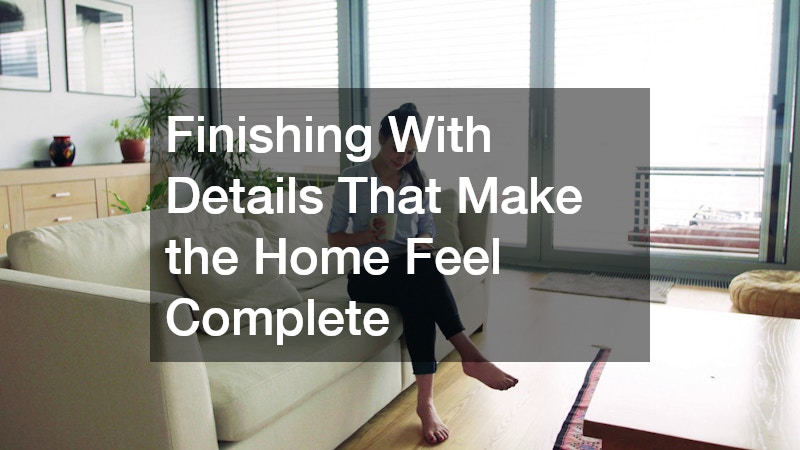
After the larger updates are handled, finishing details bring the home together. These are the changes people often notice without being able to name right away. A room feels brighter, cleaner, calmer, or more balanced because the small pieces finally match the larger vision.
Paint is one of the most effective finishing tools. Older homes sometimes have dark or yellowed walls that make rooms feel smaller. A fresh color can brighten the space while still respecting the home’s character. Warm neutrals, soft whites, muted greens, gentle blues, and earthy tones can all work well depending on the home’s light and materials.
Lighting also matters. A dated ceiling fixture can make an otherwise fresh room feel unfinished. Replacing old fixtures with updated options can change the mood quickly. Layered lighting, such as ceiling lights, sconces, lamps, and under-cabinet lighting, helps rooms feel more flexible and comfortable.
Hardware is another small detail with a large effect. Cabinet pulls, door handles, faucets, switch plates, and curtain rods should feel like they belong together. They do not need to match perfectly, but they should make sense within the same home.
Original features deserve a careful look before being removed. Wood floors may be worth refinishing. Built-ins may need paint, repair, or better styling rather than demolition. Old doors may look beautiful with updated hardware. Brick, beams, trim, and vintage details can give the home depth that newer houses often lack.
Storage can also make an older home feel more current. Many older houses were built with smaller closets and fewer built-in storage solutions. Adding entry hooks, pantry organizers, linen storage, bathroom shelving, or custom closet systems can reduce clutter and make everyday routines easier.
The finishing stage is not about filling every corner. It is about editing. Keep what adds warmth, remove what feels worn or unnecessary, and choose updates that make each room easier to enjoy.
Renewing the Home Without Losing Its Character
Making an older home feel new is not about chasing every trend or hiding its history. The best updates improve how the home works while honoring what already makes it special. A well-loved house can feel brighter, safer, cleaner, and more comfortable without losing the details that give it personality.
The smartest approach begins with the practical needs first. Protect the structure, manage water, improve safety, and repair the systems that support daily life. From there, focus on the rooms and outdoor spaces that shape how the home is used. Finally, bring everything together with thoughtful finishes, better lighting, useful storage, and design choices that feel natural for the home.
An older home does not need to become something completely different to feel new again. With the right plan, it can become a better version of itself: more comfortable, more reliable, and easier to enjoy every day.