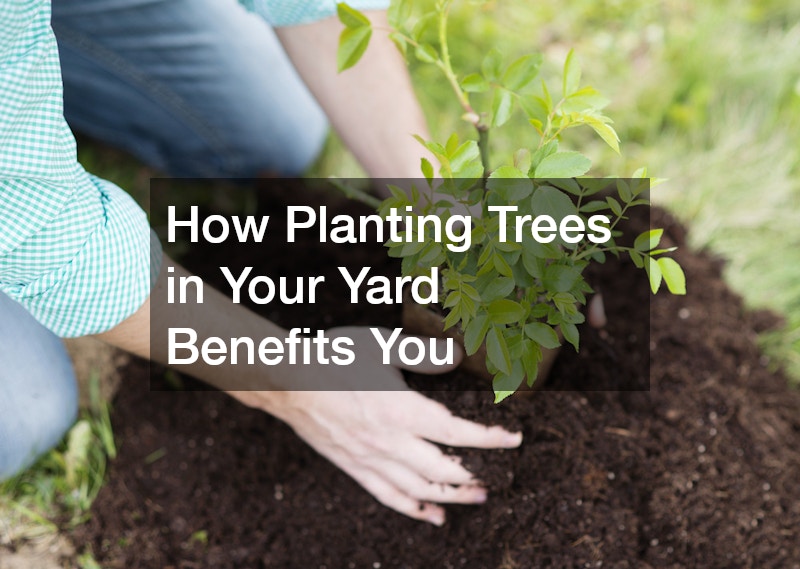
Planting trees in your yard is more than a landscaping choice—it’s an investment in your health, environment, and property value. Trees provide shade, beauty, and ecological benefits, creating a space that is both functional and inviting. Beyond aesthetics, trees play a crucial role in enhancing air quality, supporting wildlife, and contributing to climate regulation.
In this article, we explore the environmental, economic, and personal benefits of planting trees, illustrating why incorporating them into your yard is a wise decision for homeowners.
What Are the Environmental Benefits of Planting Trees?
One of the most significant environmental benefits of trees is their ability to improve air quality. Trees naturally absorb pollutants such as carbon monoxide, sulfur dioxide, and nitrogen dioxide, while releasing oxygen through photosynthesis. This filtering process helps create a cleaner, healthier atmosphere in your yard and the surrounding neighborhood. By planting trees strategically around your property, you can reduce airborne pollutants, providing a fresher and more comfortable outdoor environment for you and your family.
Trees also play a vital role in fostering biodiversity. They provide habitats for birds, insects, and small mammals, supporting a thriving ecosystem within your yard. Flowering and fruit-bearing trees attract pollinators like bees and butterflies, enhancing local plant growth and contributing to a balanced ecosystem. By planting a variety of native trees, you encourage wildlife diversity and help maintain the natural ecological balance in your area.
In addition to improving air quality, trees help regulate the climate by sequestering carbon dioxide, a major greenhouse gas. Mature trees store carbon in their wood, leaves, and roots, offsetting emissions from vehicles and other sources. Trees also provide natural cooling through shade and transpiration, reducing the urban heat island effect in neighborhoods and lowering energy costs by shading homes and outdoor spaces. Through these mechanisms, planting trees is a proactive way to mitigate the effects of climate change while enhancing your immediate environment.
How Do Trees Affect Property Value and Aesthetics?
Homes with mature, well-maintained trees often command higher market value. Real estate studies show that trees enhance the perceived quality and desirability of a property, attracting potential buyers. A thoughtfully landscaped yard with strategically placed trees signals care and attention to detail, which can make a strong impression on prospective homeowners. Investing in trees is therefore not only an environmental decision but also a financially beneficial one.
Trees dramatically improve the visual appeal of any property. They add color, texture, and structure to your yard, creating a welcoming and polished look. Seasonal changes, such as blooming flowers or autumn foliage, provide dynamic interest throughout the year. Well-positioned trees frame pathways, define spaces, and complement other landscape features, elevating your yard’s overall design.
Beyond aesthetics, trees act as natural barriers that provide privacy and reduce noise from neighboring properties or busy streets. Tall, dense trees can screen unsightly views, block wind, and create a sense of seclusion, transforming your yard into a tranquil retreat. Homeowners often use trees strategically to establish quiet outdoor spaces for relaxation, entertaining, or family activities.
What Are the Personal and Health Benefits Provided by Trees?
Spending time around trees has measurable benefits for mental health. Studies show that exposure to green spaces and shaded areas helps lower stress levels, reduce anxiety, and improve mood. A yard with trees offers a calming environment where homeowners can unwind, meditate, or enjoy nature without leaving home. The simple presence of trees contributes to a restorative atmosphere that enhances overall mental well-being.
Trees also encourage outdoor activity by providing shaded areas ideal for exercise, play, and recreation. Walking, jogging, or gardening under the shade of trees is more comfortable and inviting, especially during warmer months. Families with trees in their yards are more likely to spend time outdoors, promoting fitness and healthy lifestyles for both adults and children.
Exposure to green spaces and natural landscapes is linked to improved physical and psychological health. Trees can reduce noise pollution, provide cleaner air, and create a positive sensory experience through their color, texture, and fragrance. The cumulative effect of these benefits supports a higher quality of life, making your yard a sanctuary for relaxation, activity, and rejuvenation.
Planting trees in your yard offers a wide range of advantages that extend far beyond aesthetics. From improving air quality and supporting biodiversity to enhancing property value and providing personal health benefits, trees are a long-term investment with multifaceted rewards. A well-planned yard with thoughtfully placed trees creates a beautiful, sustainable, and functional outdoor environment that benefits both homeowners and the surrounding ecosystem.
By incorporating trees into your landscape, you are not only enhancing the beauty and value of your property but also contributing to environmental sustainability and promoting well-being for yourself, your family, and your community. With careful selection, proper planting, and ongoing care, trees can transform any yard into a lush, healthy, and inviting space that will be enjoyed for generations.