
Owning a home involves much more than keeping rooms clean and making occasional cosmetic updates. A property depends on numerous systems working together to provide comfort, safety, efficiency, and long-term value. Some are easy to notice, such as a malfunctioning appliance or damaged flooring, while others can quietly deteriorate for years before creating an expensive problem.
For homeowners, staying ahead of maintenance is often less costly and stressful than reacting to emergencies. Understanding which systems deserve regular attention can also make it easier to recognize warning signs and know when professional assistance is appropriate. From water quality and electrical components to roofing, heating, cooling, and outdoor maintenance, every part of a property contributes to how well the home functions.
This article explores several home systems and services that homeowners should keep on their radar, why they matter, and how proactive maintenance can help protect a property over time.

Water Quality Can Affect Everyday Life
Water enters nearly every area of a home. It is used for drinking, cooking, bathing, cleaning, and laundry, making water quality an important consideration for homeowners. Even when municipal or well water meets applicable safety standards, homeowners may still notice issues involving taste, odor, hardness, sediment, or mineral buildup.
Installing local home water filtration systems can be one way homeowners address specific water-quality concerns. The appropriate system depends on the source of the home’s water and the substances a homeowner wants to reduce or remove. Testing the water before selecting equipment can help identify what treatment, if any, is appropriate.
Water quality can also affect plumbing fixtures and appliances. Hard water, for example, may contribute to mineral deposits around faucets and showerheads. Over time, deposits can also affect water-using appliances. Paying attention to changes in water appearance, taste, pressure, or odor can help homeowners determine whether further investigation is warranted.
Heating And Cooling Require Consistent Attention
A comfortable home relies heavily on its heating and cooling equipment. Because these systems operate for significant portions of the year, routine maintenance can be important for performance, reliability, and efficiency.
Homeowners should pay attention to unusual noises, inconsistent temperatures, weak airflow, unexpected increases in energy consumption, or equipment that repeatedly cycles on and off. These symptoms do not necessarily indicate a major failure, but they can justify having the system evaluated.
Professional HVAC companies can inspect heating and cooling equipment, identify developing problems, and perform appropriate maintenance. Homeowners should also keep up with basic tasks such as replacing air filters according to the manufacturer’s recommendations and keeping vents and returns unobstructed.
Seasonal attention can be particularly useful. Having heating equipment evaluated before the coldest portion of the year and cooling equipment checked before peak summer demand can provide an opportunity to address concerns before they become urgent.

Plumbing Problems Can Become Property Problems
Plumbing is one of those home systems that can remain invisible when everything works correctly. Pipes run behind walls, beneath floors, and through ceilings, meaning homeowners may not notice a developing problem until water appears where it should not.
A dripping faucet may seem insignificant, but persistent leaks waste water and can sometimes indicate worn components. Slow drains may also deserve attention rather than repeated temporary fixes. Water stains, damp cabinets, unexplained odors, and changes in water pressure can provide additional clues that something needs investigation.
A qualified plumber can evaluate plumbing issues and determine whether a repair, replacement, or additional inspection is appropriate. Prompt attention can be particularly important when water is leaking near electrical components, inside walls, or around structural materials.
Homeowners should also know where the main water shutoff is located. Knowing how to quickly stop the water supply can limit damage during certain plumbing emergencies.
Electrical Systems Deserve Serious Attention
Electricity makes modern homes convenient, but electrical systems require careful maintenance and appropriate repairs. Flickering lights, frequently tripped breakers, warm outlets, buzzing sounds, or unusual odors around electrical components should not be ignored.
Older homes may have electrical systems that were designed for a different era, when households used fewer electronic devices and appliances. Today’s homes can have televisions, computers, charging equipment, kitchen appliances, HVAC systems, and other devices operating throughout the day.
Professional electrical companies can inspect wiring, panels, outlets, and other components when homeowners notice concerns or when an older system may need evaluation. Electrical work should be handled by qualified professionals because improper modifications can create significant safety risks.
Homeowners can also reduce potential problems by avoiding overloaded outlets and using electrical equipment according to manufacturer instructions. Extension cords should not be treated as permanent substitutes for properly installed outlets.
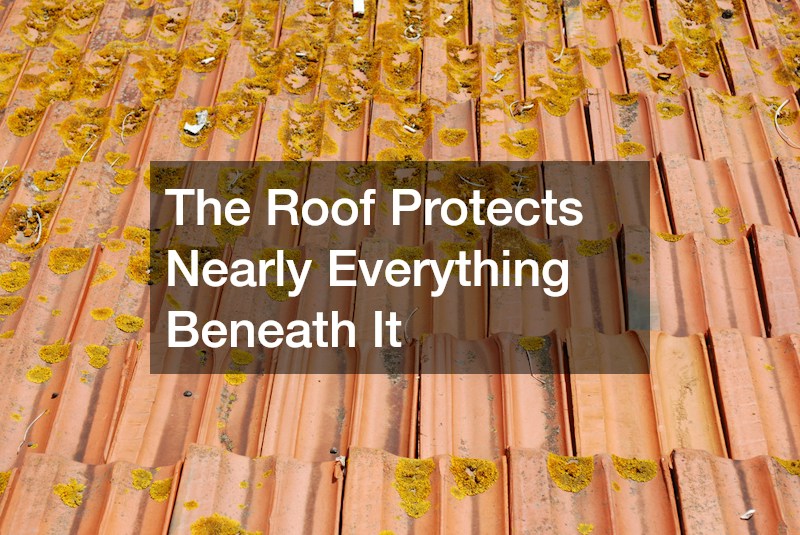
The Roof Protects Nearly Everything Beneath It
A home’s roof has a straightforward but critical job: helping protect the structure and everything inside it from the elements. Despite its importance, roof maintenance is often overlooked until a leak becomes obvious.
Homeowners should periodically look for missing or damaged shingles, deteriorating flashing, damaged vents, moss or algae growth, and other visible changes. Interior warning signs can include water stains on ceilings or walls, peeling paint, damp insulation, or unexplained moisture in attic spaces.
Professional residential roofing services can help homeowners assess the condition of a roof and address problems before minor deterioration becomes extensive damage. The appropriate maintenance schedule depends on factors such as roofing material, age, weather exposure, and previous repairs.
After severe storms, homeowners may also benefit from checking the roof for damage. Some problems are not immediately visible from the ground, which is why professional inspections can be valuable when damage is suspected.
Lawn Maintenance Supports More Than Curb Appeal
Outdoor areas are an important part of a property’s overall condition. Grass, trees, shrubs, drainage areas, and other landscaping elements all interact with the home’s exterior.
Regular lawn maintenance can help prevent overgrowth, identify drainage concerns, and keep outdoor spaces manageable. Overgrown vegetation may also conceal damaged surfaces, attract pests, or make it harder to notice changes around the foundation.
Homeowners who have limited time or extensive properties may work with lawn care contractors to handle mowing, seasonal maintenance, fertilization, landscaping, or other outdoor needs. A consistent maintenance routine can make it easier to identify problems before they become more difficult to address.
Landscaping should also be considered in relation to the home itself. Trees and large shrubs should not be allowed to grow unchecked against roofing materials, siding, gutters, or utility equipment.

Pest And Bee Issues Should Not Be Ignored
Finding insects around a property does not always mean there is a serious infestation. However, certain pests can create safety concerns or damage property when their presence is not addressed appropriately.
Bees and other stinging insects can establish nests in wall cavities, attics, trees, sheds, or other areas around a property. Homeowners should be cautious when they discover a large concentration of insects or a nest in an area that people frequently use.
Professional bee removal services can evaluate the situation and determine the appropriate approach. Attempting to disturb a nest without understanding what is involved can increase the risk of stings and may make the situation worse.
Homeowners should also remember that not every bee-related situation should be handled in the same way. Identifying the type of insect and understanding where it is nesting can help determine what steps are appropriate.
Septic Systems Need Routine Care
For homes that are not connected to a municipal sewer system, the septic system is an essential part of daily life. Because much of the system is underground, it can be easy to forget about until something goes wrong.
Signs of a potential septic issue can include slow drains throughout the house, unpleasant odors, unusually wet areas in the drain field, or sewage backups. These symptoms should be investigated rather than repeatedly treated as isolated plumbing problems.
Homeowners can work with qualified septic companies for inspections, pumping, maintenance, and other services appropriate to their system. The ideal pumping and inspection schedule varies based on household size, tank capacity, usage, and other factors.
It is also important to understand what should and should not enter a septic system. Excessive amounts of grease, harsh chemicals, and materials that do not break down appropriately can interfere with normal operation.
Kitchen Improvements Should Consider Function
The kitchen is one of the most frequently used areas of a home, so problems involving cabinets, countertops, flooring, lighting, storage, and layout can have an outsized effect on everyday life.
When planning a renovation, homeowners should think beyond appearance. A beautiful kitchen that lacks adequate storage, workspace, lighting, or convenient access may not function as well as expected.
Working with experienced kitchen contractors can help homeowners plan improvements around the existing structure, utilities, desired layout, and long-term goals. Professional planning can also help identify practical considerations that may not be obvious during the initial design phase.
Kitchen projects can vary significantly in scope. Some homeowners may want updated cabinets and countertops, while others may be considering a complete renovation. Establishing priorities before work begins can help keep the project aligned with the home’s needs and the homeowner’s budget.
Waste Removal Matters During Major Projects
Home maintenance and improvement projects often create more waste than a standard household trash service can handle. Demolition materials, old fixtures, roofing debris, flooring, drywall, and other construction waste can quickly accumulate.
For larger projects, roll off dumpsters can provide a practical way to contain and remove significant quantities of debris. The appropriate dumpster size depends on the project’s scope and the type of material being discarded.
Proper waste management can make renovation sites safer and more organized. It can also prevent debris from accumulating in driveways, yards, garages, or other areas where it could create hazards.
Homeowners should understand local disposal requirements before beginning a large project because certain materials may require special handling or disposal procedures.
Preventive Maintenance Protects The Bigger Picture
Individual home systems do not operate entirely independently. A plumbing leak can damage flooring and drywall. A roof problem can allow moisture into insulation and framing. Poor drainage can affect landscaping and potentially contribute to moisture concerns around a foundation. Electrical problems can affect appliances and create serious safety risks.
This interconnectedness is why preventive maintenance matters. Homeowners do not necessarily need to inspect every component of their property constantly, but they should establish reasonable routines for identifying changes and addressing concerns.
A useful approach is to divide maintenance into categories. Heating and cooling equipment can be reviewed seasonally. The roof and exterior can be checked periodically, particularly after severe weather. Plumbing and electrical concerns should be addressed when warning signs appear. Outdoor spaces can be maintained throughout the growing season, while septic systems and other major infrastructure can follow professional recommendations.
Keeping records can also be helpful. Homeowners can document repairs, inspections, equipment installations, and replacement dates. This information can make future maintenance easier and provide useful background when a system begins showing signs of age.
Homeownership Rewards A Proactive Approach
The systems that keep a home comfortable and functional are easy to take for granted when everything is working properly. Yet each one plays a role in protecting the property and supporting everyday life. Water, electricity, heating and cooling, plumbing, roofing, landscaping, waste management, pest control, and wastewater systems all deserve appropriate attention.
Homeowners do not have to tackle every maintenance task at once. The more practical approach is to understand what systems are present, learn their basic warning signs, follow manufacturer and professional recommendations, and address problems before they have an opportunity to spread.
A proactive mindset can make homeownership more manageable. Regular maintenance may help extend the useful life of major systems, reduce unexpected disruptions, and protect the investment represented by the home. When professional expertise is needed, bringing in the appropriate specialist can provide homeowners with a clearer understanding of what is happening and what should happen next.
Ultimately, taking care of a home means looking beyond what is immediately visible. The systems operating behind the walls, above the ceilings, beneath the yard, and throughout the property are what help a house remain safe, comfortable, and functional for the long term.