Ask any homeowner about the true cost of their property, and they will likely quote their monthly mortgage payment, property taxes, and insurance premium. However, experienced homeowners know that the most volatile expense never appears on a standardized bank statement. It arrives quietly in the form of a slow water leak behind a laundry room wall, a buzzing noise in an aging air conditioning compressor on a ninety-five-degree afternoon, or a sudden cascade of asphalt shingle granules washing down the downspout after an early spring hail storm.
The standard approach to residential maintenance is inherently reactive. Most people wait for a component to fail entirely before addressing it, turning every home repair into an urgent, high-stress event. Beyond the immediate financial sting of emergency labor rates, this piecemeal approach leads to systemic inefficiency. Patching a decaying roof year after year costs far more over a decade than replacing it outright, to say nothing of the hidden structural rot occurring beneath the surface while you wait.
A far more intelligent strategy shifts the focus from cosmetic updates to longevity engineering. By prioritizing smart, durable upgrades to your home’s primary structural shell and core mechanical systems, you can break the endless cycle of weekend repairs. Investing in low-maintenance materials and modern equipment up front pays substantial dividends over time, drastically reducing monthly utility bills, eliminating surprise service calls, and preserving your property value for decades to come.
Strengthening the Outer Shell to Prevent Structural Damage
Upgrade to Architectural-Grade Shielding Against Severe Weather
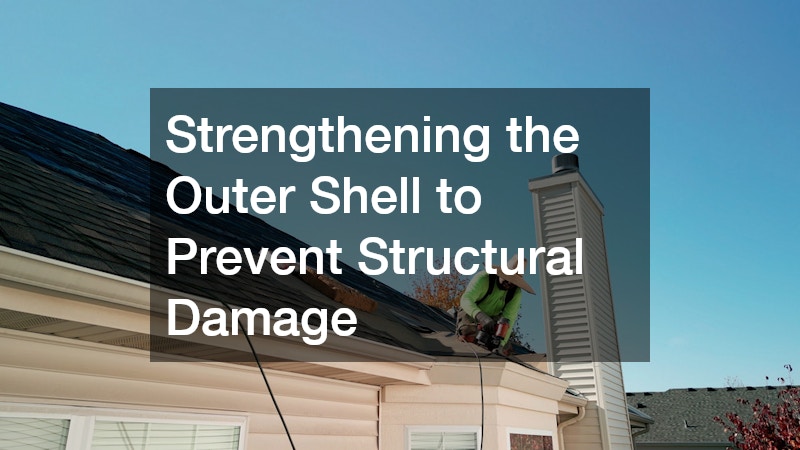
The exterior envelope of your property serves as the first and most critical line of defense against atmospheric conditions. When moisture penetrates this outer barrier, the resulting damage is rarely isolated. Water travels along rafters, pools on top of ceiling drywall, and seeps into structural framing, creating an ideal environment for toxic mold and wood rot. Preventing these hidden, high-dollar disasters requires looking beyond basic three-tab asphalt shingles, which tend to lift, curl, and shed protective granules within a decade of exposure.
Modern architectural shingles and standing-seam metal roofing systems are engineered to withstand severe impact, high winds, and extreme thermal cycling. High-performance asphalt options frequently carry Class 4 impact resistance ratings, meaning they can absorb the blow of hail without fracturing the underlying matting. While the upfront investment for a comprehensive residential roof replacement is higher than basic patch repairs, the long-term math heavily favors complete installation. A high-grade roof installed with synthetic underlayment and proper ice-and-water shields protects your attic deck for thirty to fifty years, completely eliminating the need for recurring patch jobs after every heavy storm.
Eliminate Scraping and Painting With Modern Composite Wall Systems
Traditional exterior wood siding offers a classic aesthetic, but its long-term maintenance requirements are brutal. Wood expands and contracts with changes in ambient humidity, causing exterior paint to bubble, peel, and crack every few years. Neglecting this maintenance cycle exposes raw timber to moisture, wood-boring insects, and rot. Even standard vinyl siding, while lower maintenance than wood, becomes brittle under heavy ultraviolet exposure and can crack easily when hit by stray lawn debris or extreme cold.
Updating your home’s exterior to fiber cement or engineered polymer cladding fundamentally changes your weekend chores. Fiber cement combines sand, cement, and cellulose fibers to create an inorganic board that is entirely impervious to termites, fire, and rot. Because these materials expand and contract at negligible rates, factory-applied finishes adhere far more effectively, often lasting fifteen to twenty years without needing a fresh coat of paint. Investing in a full residential siding replacement transforms a dynamic, high-maintenance wall assembly into a static barrier that requires nothing more than an occasional rinse with a garden hose to look brand new.
Upgrading High-Wear Openings to Prevent Drafts and Thermal Stress
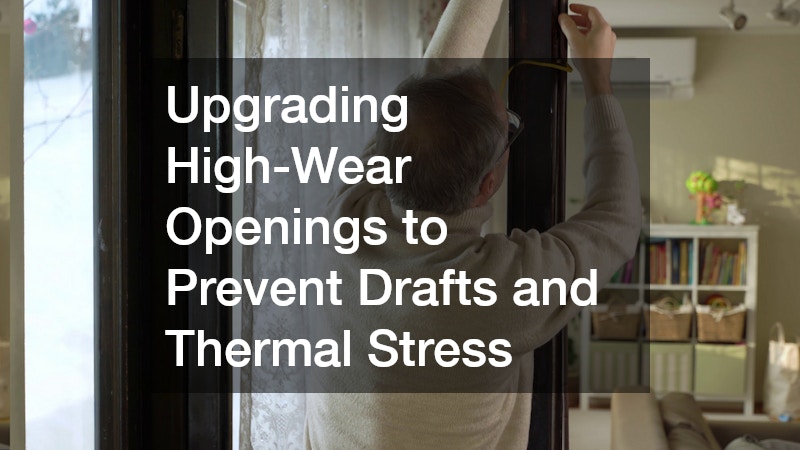
If you want to understand where a house loses structural integrity and energy, start by looking at its moving parts. The perimeter openings of a home—windows, entryways, and garage access points—are subject to continuous physical operation, extreme thermal gradients, and relentless wind pressures. Over time, original builder-grade installations settle, warping their frames and breaking internal weather seals.
Consider the typical progression of window degradation in a twenty-year-old home. It usually begins with a faint draft near the frame on cold nights, followed by foggy glass panes indicating that the thermal seal between the glass layers has failed. Soon after, wood sills begin to soft-rot from trapped interior condensation, and hardware binds up, making the window difficult to operate. The following breakdown illustrates how high-grade architectural openings mitigate these ongoing maintenance demands:
- High-durability composite or extruded aluminum exterior frames resist swelling, cracking, and chalking, completely removing the need for exterior caulking touch-ups and frame painting.
- Multi-pane glass packages utilizing argon gas fills and low-emissivity coatings dramatically reduce internal window-sill condensation, protecting surrounding interior trim and drywall from water damage.
- Heavy-duty stainless steel or brass operating hardware prevents mechanical binding, stripped gears, and sagging sashes that force premature frame adjustments.
Executing a complete window replacement replaces drafty, failing assemblies with high-efficiency units that actively shield your interior framing from climate-induced stress.
The garage access point presents an even larger thermal and mechanical vulnerability. As the largest moving object on your property, a flimsy, uninsulated single-layer steel garage door acts as a giant radiator in the summer and a cold sink in the winter. Furthermore, lightweight doors easily twist and track out of alignment, causing continuous wear on rollers, tension springs, and electric openers.
Upgrading to an insulated, high-gauge steel or composite model changes the dynamic completely. High-density polyurethane foam injected between heavy-duty steel skins gives the door panel remarkable structural rigidity, preventing denting and wind-load distortion. This added strength keeps the door traveling smoothly along its tracks, drastically reducing wear and tear on the spring assemblies and mechanical opener. When coupled with heavy-duty perimeter weather seals, a proper garage door replacement secures the building envelope, prevents wind-driven rain from flooding the garage floor, and reduces temperature swings in adjacent living areas.
Modernizing Climate Systems for Minimal Wear and Tear
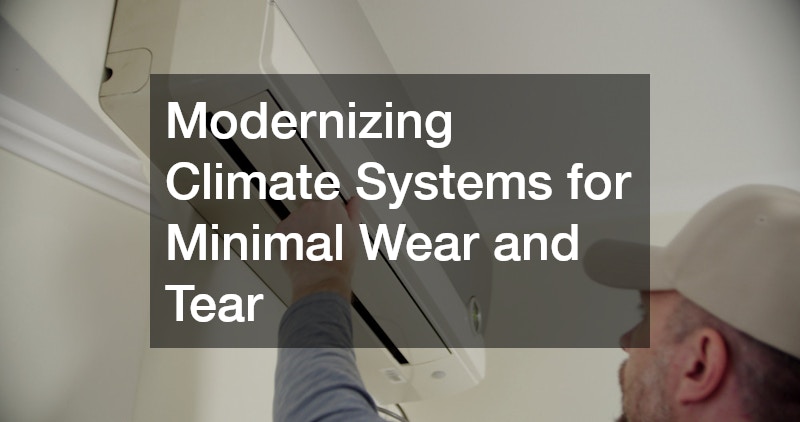
To achieve a low-maintenance home, mechanical equipment must be re-engineered to operate without destructive operational stress. Legacy heating and cooling units operate on a crude binary model: they run at 100 percent capacity until the thermostat is satisfied, then shut off entirely. This constant cycling on and off causes severe thermal shock, electrical surges, and rapid wear on mechanical components, leading to frequent capacitor failures, fan motor burnouts, and compressor seizures.
In a traditional legacy system, the unit cycles abruptly between total shutoff and full-power operation, causing significant mechanical wear, sudden indoor temperature spikes, and high energy consumption. In contrast, an inverter-driven variable system maintains a low, continuous operational baseline, making minor automatic adjustments as needed to minimize stress, keep temperatures stable, and reduce overall power draw.
When you transition your heating system to a modern setup, opting for a high-efficiency heat pump replacement provides smooth, constant climate control that eliminates the high heat spikes and intense mechanical stress of older systems. Because the equipment runs at steady, low speeds, internal pressure fluctuations are minimized, extending the operational life of the compressor and eliminating frequent repair visits.
A similar logic applies to your home’s cooling infrastructure. Older, undersized, or improperly installed air conditioning systems struggle under extreme heatwaves, frequently freezing up their evaporator coils or overheating their condenser fan motors. When cold air flow is restricted due to leaky ductwork or degraded internal coils, the compressor must work significantly harder, drawing excess amps and degrading the system’s internal lubrication.
Executing a planned, proactive AC replacement allows you to correctly size the system to your home’s updated insulation profile, ensuring optimal airflow and balanced refrigerant pressures. Modern systems feature advanced self-diagnostic controls and corrosion-resistant coil coatings that protect against environmental degradation. Paired with properly sealed ductwork, a modern cooling unit maintains precise indoor humidity and temperature levels without straining its core mechanical assemblies, ensuring reliable operation through the hottest summer months.
Protecting Interior Systems and Preventing Catastrophic Water Damage

A sudden plumbing failure can cause tens of thousands of dollars in structural damage in a matter of minutes. Traditional tank-style water heaters store forty to eighty gallons of standing water under continuous pressure. Over time, minerals present in the municipal water supply settle at the bottom of the tank. As the burner element cycles on and off, this sediment layer creates a thermal barrier, causing the bottom of the steel tank to overheat, corrode, and eventually rupture, leading to catastrophic basement or interior flooding over its typical eight-to-twelve-year lifespan.
Transitioning your hot water infrastructure to an on-demand system eliminates this structural vulnerability. Tankless water heaters heat water instantly as it flows through heavy-duty copper or stainless steel heat exchangers, removing the storage tank entirely. While scale buildup in the heat exchanger can occur over time, it results only in reduced water flow rather than a catastrophic burst. With simple routine annual flushing, a tankless unit offers a operational lifespan of twenty years or more.
Scheduling planned water heater replacements allows you to migrate to tankless technology before an old tank bursts inside your home. By removing forty gallons of standing, corrosive water from your utility room, you eliminate the single largest cause of indoor residential flood claims.
Beyond hot water generation, the underlying supply network feeding your fixtures requires equal attention. Old galvanized iron pipes rust from the inside out, restricting water pressure and shedding metal flakes into valve cartridges. Polybutylene or early PEX configurations can suffer from brittle fitting failures under continuous pressure and high chlorine exposure.
Addressing your piping infrastructure systematically involves four primary steps:
- Conduct a baseline pressure and water quality audit across all fixtures.
- Replace brittle or galvanized lines with modern multi-layer PEX piping.
- Install a primary smart shut-off valve at the main water line entry point.
- Deploy wireless moisture sensors beneath high-risk fixtures to catch early leaks.
Investing in modern plumbing services to repipe vulnerable lines with modern, flexible PEX piping drastically reduces joints and eliminates metallic corrosion. When paired with a smart main shutoff valve that monitors flow rates and automatically cuts off water upon detecting an unusual pressure drop, your indoor water infrastructure shifts from a constant liability to a secure, low-maintenance asset.
Strategic Planning for Flexible, Low-Upkeep Interior Spaces
When planning interior renovations, long-term durability depends on selecting commercial-grade materials and resilient floorplan designs that withstand continuous daily wear. High-traffic residential areas like kitchens, mudrooms, and dedicated home offices experience significant foot traffic, furniture friction, and accidental impacts that quickly degrade builder-grade finishes.
A common oversight occurs in spaces designated for remote work. Standard residential drywall, carpet, and surface finishes were never designed to handle the localized wear of heavy rolling office chairs, continuous equipment heat, and high-density storage. Over a few short years, carpet fibers crush, baseboards scuff, and walls show continuous tracking from furniture movement.
To protect high-traffic interior spaces, pay close attention to both the wall and floor zones:
- In the wall and baseboard zone, utilize high-impact corner bead protection, washable scrub-resistant interior paint, and solid composite or hardwood baseboards that resist vacuum impacts.
- In the flooring and subfloor zone, install heavy-gauge Luxury Vinyl Plank or porcelain tile, set over a sealed subfloor underlayment for sound dampening and moisture protection, and incorporate recessed wire channels to eliminate floor clutter and tripping hazards.
Enlisting an experienced office remodeling contractor allows you to convert underutilized square footage into a durable, commercial-specification workspace. By integrating built-in wire management raceways, heavy-wear floor coverings like luxury vinyl plank, and scuff-resistant wall coatings, you eliminate the constant need for spackling, repainting, and floor repair, keeping your home workspace pristine without recurring maintenance effort.
This proactive material selection strategy applies to every square foot of your living space. Comprehensive home remodeling should prioritize lifecycle durability over short-term design trends. Choosing non-porous quartz or porcelain countertops over delicate, high-maintenance marble removes the need for periodic stone sealing while preventing permanent acid etching from food prep. Installing high-grade cabinet boxes with solid wood drawer construction and soft-close hardware prevents hinge sag, drawer track failure, and cabinet face damage caused by rough daily use.
When every interior surface is chosen for its structural resilience and ease of cleaning, daily housekeeping becomes simple, and the long-term cost of keeping your home looking newly renovated drops to near zero.
Building a Resilient, Low-Upkeep Future
Building a low-maintenance home is not a matter of luck; it is the direct outcome of intentional, long-term planning. When you shift your perspective from short-term cosmetic fixes to structural and mechanical resilience, your property transforms from an unpredictable expense into a reliable, efficient asset. Every component of a building envelope and its internal systems operates as an interconnected network. Strengthening your outer walls, roof, and windows protects your structural framing, which in turn preserves your interior finishes and reduces the load on your climate control equipment.
While major property upgrades require an initial capital outlay, the math over a ten- to twenty-year horizon is undeniable. The combined savings from lowered monthly utility bills, reduced insurance premiums, avoided emergency call-out fees, and deferred replacement costs quickly offset the initial investment. More importantly, eliminating the constant stress of unexpected house failures restores peace of mind.
Take time to audit your property’s current age, system efficiency, and structural vulnerabilities. Prioritize projects that protect the integrity of the building envelope first, followed by high-efficiency updates to core mechanical and plumbing networks. By making informed choices today, you can enjoy a beautiful, high-performing home that yields exceptional comfort and financial peace of mind for decades to come.