
Owning a historic home is one of the most rewarding investments a homeowner can make. The original hardwood floors, the hand-carved millwork, the thick plaster walls, these are details that no new construction can replicate. But beneath all that character lies a hard truth: the systems and structures keeping that home standing were built for a different era, and most of them are overdue for attention.
This guide walks through the essential repairs and upgrades that historic homeowners face — not as a scare tactic, but as a practical roadmap. Whether you’ve just purchased a century-old Victorian or you’ve been living in a 1920s Craftsman for years, understanding these priorities will help you protect your investment and keep the home livable for decades to come.
Start at the Ground Level: Foundation and Soil Management
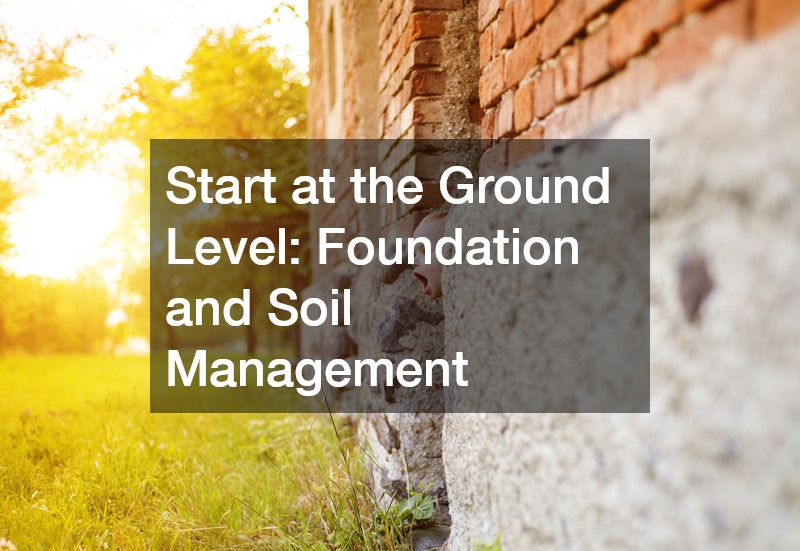
The foundation of a historic home carries the weight of everything above it, and the soil pressing against it can be just as destructive as what’s below. Many older homes sit on foundations built from stone, brick, or early-formula concrete — materials that are durable but sensitive to moisture and lateral pressure from shifting ground.
If you’ve noticed bowing basement walls, horizontal cracks in the foundation, or soil that appears to be sliding toward the structure, professional retaining wall services can address the problem before it becomes a structural emergency. A properly engineered retaining wall manages hydrostatic pressure, redirects drainage away from the foundation, and stabilizes sloped terrain that would otherwise continue to migrate over time.
Key signs that soil management has become urgent:
- Basement walls that are bowing inward or showing step-crack patterns
- Visible erosion channels forming alongside the house after rain
- A slope or landscaped terrace that’s beginning to slump or collapse
- Pooling water that sits against the foundation for more than 24 hours after rainfall
Lime-based mortar — the standard for historic masonry — is softer and more breathable than modern Portland cement. That’s a feature, not a flaw. But it also means that sustained water pressure accelerates deterioration faster than it would in a newer home. Catching drainage problems early is far less expensive than repairing a compromised foundation later.
Roofline Protection: Gutters and Water Shedding
Water damage is the single greatest threat to an old house, and most of it doesn’t come through the roof — it comes from water that isn’t being directed away from the structure properly. Original wooden gutters, when they’re still present, are almost always past their useful life. They split, rot, and pull away from the fascia, allowing water to run directly down the siding or pool at the base of the foundation.
Scheduling a local gutter replacement is one of the highest-return maintenance decisions a historic homeowner can make. Modern seamless aluminum or copper systems can be color-matched to your existing trim and sized to handle the volume that older half-round profiles couldn’t manage. For homes with steeply pitched roofs, common in Queen Anne, Gothic Revival, and Second Empire styles, oversized downspouts are worth the small additional investment.
What to look for in a quality gutter replacement project:
- Seamless construction to eliminate leak-prone joints
- Proper pitch (typically ¼ inch per 10 feet) to prevent standing water
- Downspout extensions that discharge at least four to six feet from the foundation
- Leaf guards or screens if mature trees overhang the roofline
- Copper is a premium option that matches historic character and lasts 50-plus years
The fascia and soffits behind old gutters are also worth inspecting during this process. Wood rot in these areas is extremely common in older homes and often goes unnoticed until the damage has spread into the roof structure itself.
Exterior Masonry: Repointing and Structural Repair
Brick and stone exteriors are among the most visually striking features of historic homes, but they require specialized care. The mortar joints between masonry units aren’t just decorative — they form the waterproof barrier between your wall cavity and the outside environment. When they crack, erode, or are repaired with the wrong material, moisture infiltrates and begins attacking the interior framing from the inside out.
This is where a masonry service with experience in historic preservation becomes essential. Repointing with modern high-strength mortars is one of the most common and damaging mistakes made on old buildings. The mortar must be softer than the masonry units themselves. If it isn’t, thermal expansion and contraction will crack the bricks instead of the joints, leading to spalling that destroys original material that cannot be replaced.
A qualified masonry service will:
- Test existing mortar to determine the correct lime-to-sand ratio for matching repairs
- Use hand tools rather than angle grinders to remove deteriorated mortar without damaging brick faces
- Apply tuckpointing in lifts to allow proper curing
- Identify structural cracks versus cosmetic cracks and recommend appropriate interventions
- Address lintel corrosion above windows and doors, which is a common source of cracking in brick facades
Stone repairs follow similar principles. Historic limestone, brownstone, and sandstone all require compatible patching compounds and finishes to prevent accelerated weathering at the repair boundary.
Below-Ground Infrastructure: Sewer and Drain Lines

Most of the plumbing running beneath a pre-1960s home was never intended to last this long. Clay tile pipe, cast-iron drain lines, and early-generation Orangeburg pipe (a compressed tar and fiber product) all have well-documented failure modes. They corrode, collapse, and become ideal hosts for tree root intrusion, especially in older neighborhoods where mature street trees have had decades to spread their root systems.
Periodic camera inspections through sewer line services are the only way to know what’s actually happening underground. A slow drain or occasional backup may seem like a minor annoyance, but it can indicate a partial collapse or heavy root infiltration that will become a complete failure without notice.
Modern sewer line services increasingly rely on trenchless technology — specifically cured-in-place pipe (CIPP) lining — which allows a contractor to rehabilitate a deteriorated line by inserting and inflating a resin-saturated liner inside the existing pipe. The benefits for historic properties are significant:
- No excavation through original brick walkways, stone paths, or mature plantings
- Minimal disruption to the root systems of heritage trees
- Completion in one to two days versus the week or more required for traditional open trenching
- Seamless liner reduces future root intrusion points
If full replacement is necessary, directional boring is another option that limits the trench footprint considerably compared to conventional excavation.
Site Drainage and Driveway Grading
Even with a functional gutter system, a property with poor surface drainage will continue to push moisture toward the foundation. Over decades, the soil around a home compacts and settles unevenly, and the original positive grade (which slopes away from the structure) gradually levels out or reverses. This is a widespread problem in older neighborhoods and one of the quieter causes of chronically damp basements.
Professional driveway grading addresses surface drainage by re-establishing the proper slope across the driveway, walkways, and surrounding lawn areas. A standard target is a two-percent minimum grade away from the structure across all paved and unpaved surfaces within six feet of the foundation.
During a driveway grading project, a contractor can also evaluate the sub-base beneath existing pavement. Saturated subgrades cause the “pumping” effect — pavement that flexes underfoot — and eventually lead to sinkholes, heaving, and edge cracking. Addressing compaction issues at this stage significantly extends the life of whatever final surface material is applied.
Porch Railings: Balancing Authenticity and Maintenance
The wraparound porch is a defining feature of many historic home styles, from Folk Victorian farmhouses to Prairie-influenced bungalows. But maintaining original wood railings is a significant ongoing commitment. Turning profiles collect moisture, paint peels every few years, and insect damage can hollow out spindles from the inside without any visible surface indication.
Many homeowners are now choosing vinyl railings as a practical alternative for porch safety barriers. High-quality profiles are available in turned, square, and craftsman styles that closely replicate historic woodwork, and the material doesn’t absorb moisture, support insect colonies, or require periodic stripping and repainting.
Vinyl railings are particularly well-suited to homes in humid climates where wood degradation accelerates. They meet current building code requirements for height and load resistance, and they can be installed alongside original porch columns and flooring without requiring changes to the surrounding structure.
Insulation: Sealing the Thermal Envelope Without Destroying the Interior
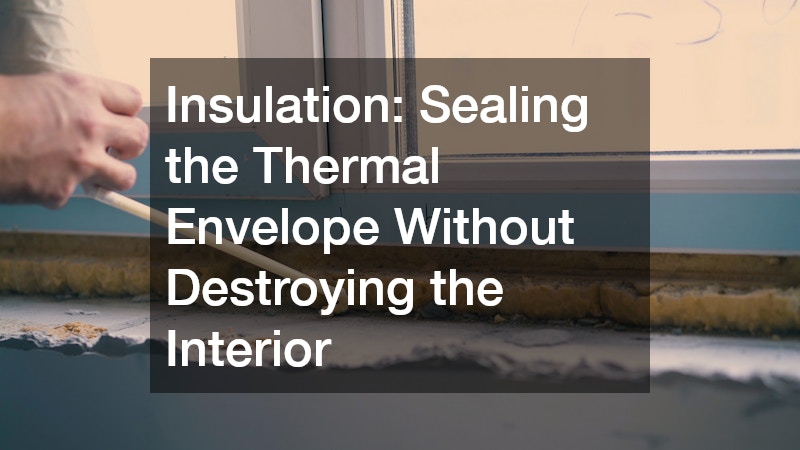
Historic homes are notorious energy drains. The original builders relied on thick wall assemblies and natural ventilation rather than air-sealing, and the result is a structure that hemorrhages conditioned air through every rim joist, attic knee wall, and crawlspace gap. Upgrading insulation without damaging original plaster, millwork, or decorative ceilings requires a targeted approach.
Spray foam insulation applied in the attic and crawlspace addresses the areas of greatest heat loss without touching the interior finishes at all. Open-cell foam works well in attic rafter bays for its flexibility and vapor permeability, while closed-cell foam is the preferred choice for crawlspaces and rim joists where moisture control is the primary concern.
The critical caveat: spray foam insulation must be paired with a deliberate ventilation strategy. In older homes that previously breathed freely, tightening the envelope without introducing mechanical ventilation can cause moisture to accumulate in the wall assembly. An energy auditor or building scientist familiar with historic construction should be part of the planning process.
Pest Management: Protecting Aged Timbers
Old wood is softer, more moisture-laden, and more attractive to wood-destroying insects than kiln-dried modern lumber. Termites are the most widely known threat, but carpenter ants cause significant structural damage as well, hollowing out floor joists, window frames, and porch columns as they excavate galleries for nesting. Because they prefer damp wood, homes with existing moisture problems are at compounded risk.
Routine ant control treatments from a licensed pest management professional are a non-negotiable part of historic home maintenance. Unlike termites, carpenter ants don’t consume wood — they excavate it, which means infestations can progress silently for years before visible damage appears.
Beyond scheduled ant control treatments, environmental management matters:
- Store firewood at least 20 feet from the foundation and elevated off the ground
- Keep mulch layers thin and pulled back from the sill plate
- Fix any plumbing leaks promptly, as moisture is the primary attractant
- Trim tree branches that contact the roof or siding, which function as insect highways
Borate-based wood treatments applied during any structural repair or exposed framing work provide long-term protection against both carpenter ants and termites.
Driveway Surface and Approach
A cracked, rutted driveway doesn’t just affect curb appeal — on a historic property, a deteriorated approach actively undercuts the architectural dignity of the home. Pavement that’s heaving, crumbling at the edges, or covered in patch repairs sends the wrong message before a visitor reaches the front door.
A paver driveway is one of the most historically appropriate and functionally sound replacements available. Tumbled brick, cobblestone, and dimensional concrete pavers can be selected to complement the era and style of the home, creating an approach that looks as though it belongs rather than one that was added as an afterthought. Unlike asphalt, a paver driveway can be repaired at the unit level — individual pieces replaced without disturbing the surrounding surface.
Permeability is a practical advantage as well. Interlocking pavers allow stormwater to infiltrate the sub-base rather than running directly toward the foundation or into storm drains, which aligns with the broader drainage management goals covered earlier in this guide.
Solar Control: Awnings and UV Protection

Original single-pane windows are beautiful and, in many cases, worth preserving — but they offer almost no protection against solar heat gain or UV transmission. South and west-facing rooms in older homes can become nearly unusable during summer afternoons, and the UV exposure fades antique textiles, flooring finishes, and artwork at an accelerated rate.
Installing retractable awnings over primary windows addresses both problems simultaneously. When extended, they block direct sun before it reaches the glass — reducing indoor temperatures more effectively than interior blinds or films, which trap heat between the covering and the window. When retracted, they disappear and allow the full facade to be appreciated.
Quality retractable awnings are available in motorized configurations that respond to sun sensors and wind detectors, retracting automatically when conditions warrant. For historic properties, canvas awnings in period-appropriate stripes or solids are a particularly authentic choice, echoing the awning styles common on residential architecture from the 1880s through the 1940s.
Preserving a historic home is an ongoing commitment, not a project with a finish line. The repairs and upgrades outlined here address the core vulnerabilities that threaten the long-term survival of older structures, from the soil pressing against the foundation to the sun beating through the glass. Approached systematically, these investments protect the irreplaceable character of the home while making it genuinely comfortable for modern life. Take them one at a time, prioritize by urgency, and work with contractors who understand the difference between restoring a building and simply fixing it.