Home comfort goes far beyond simple aesthetics or the visual appeal of your living space; it is fundamentally tied to the efficiency, functionality, and condition of key structural and mechanical systems, particularly HVAC systems and roofing. A properly functioning HVAC system ensures that indoor air is consistently heated or cooled to a comfortable level, while a well-maintained roof protects the home from water intrusion, temperature fluctuations, and structural damage. Both systems, when functioning optimally, contribute to energy efficiency, lower utility bills, and a healthier living environment.
Many homeowners fail to recognize the interconnectivity of these systems. For example, a leaky roof can cause insulation to become damp, forcing the heating and cooling systems to work harder to maintain the temperature. Similarly, outdated or poorly maintained HVAC units may struggle to circulate air effectively, impacting overall comfort and energy use. By strategically planning and coordinating HVAC and roofing projects, homeowners can prevent minor issues from escalating, reduce long-term costs, and enhance home comfort.
This guide offers practical, in-depth strategies for evaluating HVAC systems, scheduling necessary repairs or replacements, selecting qualified professionals, and integrating roofing improvements to maximize comfort and efficiency. Topics covered include AC and furnace assessments, local HVAC contractors, roof repair planning, foundation considerations, energy efficiency enhancements, budgeting, scheduling, and maintenance strategies. Homeowners will gain actionable advice for improving indoor comfort, protecting structural integrity, and creating a durable, energy-efficient, and comfortable home environment.
Assess Your Current HVAC System
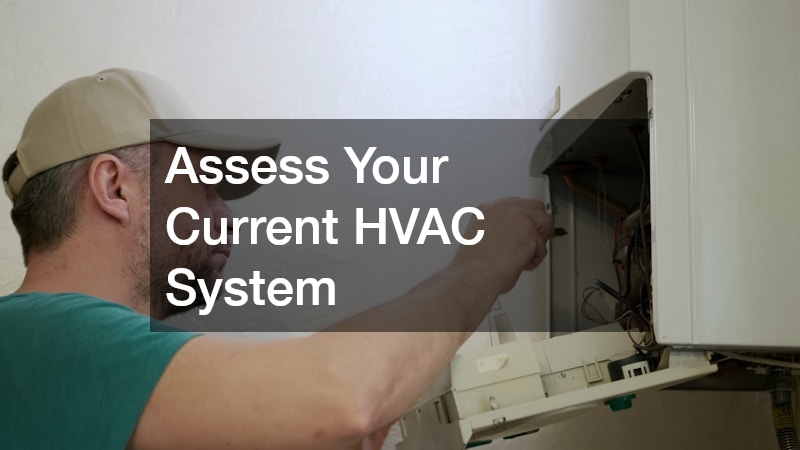
A reliable HVAC system is the cornerstone of home comfort, yet many issues go unnoticed until they significantly affect energy efficiency or indoor temperature consistency. Homeowners often underestimate small inefficiencies such as minor duct leaks or aging components, which can cause uneven cooling or heating. Evaluating your HVAC system involves a thorough assessment of both performance and condition to ensure optimal functionality.
- Evaluate performance: Assess whether air conditioning cools all areas of the home evenly and whether heating provides consistent warmth. Identify rooms that are significantly warmer or cooler than others.
- Monitor energy bills: Look for sudden spikes in electricity usage, which may indicate inefficiencies or failing components.
- Visual inspection: Examine air vents, ductwork, and exposed system components for signs of damage, dust buildup, or unusual wear.
- Schedule professional assessments: Licensed HVAC professionals can detect subtle problems, such as refrigerant leaks, worn belts, or failing compressors, which may not be visible during a casual inspection.
- Document findings: Keep records of inspections, maintenance, and repairs to track system performance and inform future decisions about AC replacement or heating repair.
By regularly assessing HVAC systems, homeowners can identify areas requiring repair or replacement, prevent emergency breakdowns, and maintain efficient temperature control. Early detection enables strategic planning for upgrades, extending the lifespan of your system while ensuring maximum indoor comfort and energy efficiency.
Identify AC and Furnace Problems Early
Detecting problems in your AC and furnace systems before they become major issues is critical to maintaining home comfort and avoiding costly repairs. Early identification allows homeowners to implement solutions before damage affects other systems, including electrical components or insulation. Regular inspections and proactive troubleshooting prevent disruptions during peak heating or cooling periods, maintaining consistent indoor conditions year-round.
- Uneven temperature distribution: Rooms that remain too hot or cold may indicate blocked ducts, refrigerant leaks, or failing furnace components.
- Strange noises or odors: Hissing, banging, or burning smells suggest mechanical or electrical issues that should be addressed immediately.
- Reduced efficiency: If the system runs longer to achieve desired temperatures, energy usage increases, signaling decreased performance.
- Regular maintenance schedule: Replacing filters, cleaning coils, inspecting burners, and checking thermostats extends system longevity.
- Professional inspections: AC repair specialists and certified furnace technicians can accurately identify and resolve problems before they escalate.
Addressing AC and furnace problems early prevents unnecessary energy waste, reduces repair costs, and ensures safe, comfortable indoor air quality. Proactive interventions improve system longevity, maintain temperature consistency, and allow homeowners to schedule upgrades or replacements at convenient times rather than during emergencies.
Work With Local HVAC Contractors for Optimal Results
Partnering with a trusted local HVAC contractor ensures that repairs, replacements, and maintenance are completed efficiently, safely, and to code. Local professionals bring knowledge of regional climate conditions, building regulations, and industry standards, providing guidance for the selection, installation, and maintenance of HVAC systems that maximize home comfort.
- Research local contractors: Verify licenses, certifications, insurance, and past work experience to ensure reliability and quality.
- Compare quotes and services: Assess estimates for clarity, detailed scope of work, and reasonable pricing.
- Coordinate multiple upgrades: A local HVAC contractor can efficiently sequence heating repair, air conditioner replacement, and HVAC repair services for minimal downtime.
- Energy-efficient solutions: Professional guidance can help homeowners choose units with higher SEER ratings, smart thermostats, and modern energy-saving features.
- Document contracts: Written agreements covering project scope, timelines, warranties, and payment schedules protect both homeowner and contractor.
Engaging a local HVAC contractor simplifies planning, ensures adherence to safety codes, and optimizes system performance. Their expertise allows for seamless integration of multiple improvements while enhancing indoor comfort and energy efficiency.
Plan Roofing Upgrades Strategically
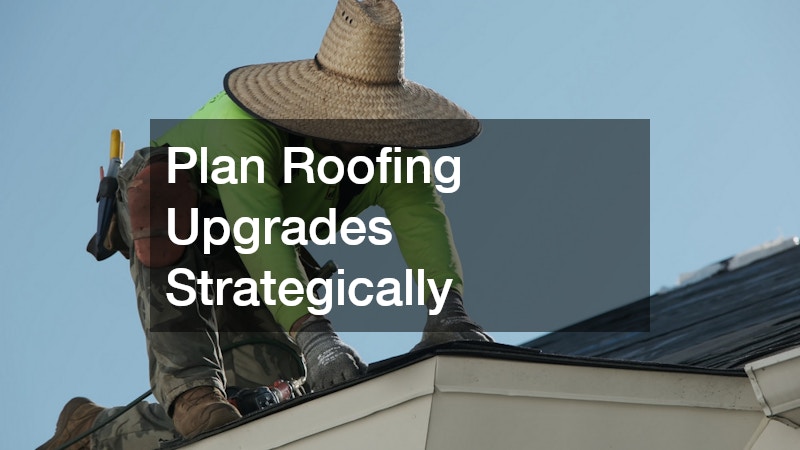
The roof is a critical component of home comfort, protecting the structure and mechanical systems while contributing to energy efficiency. Planning roofing projects strategically ensures protection from weather, prevents damage to interior spaces, and minimizes interference with ongoing HVAC work.
- Inspect roof condition: Identify damaged shingles, leaks, or weak structural components. Document areas needing repair or replacement.
- Evaluate timing: Schedule roof upgrades during favorable weather conditions to avoid complications and coordinate with HVAC system work.
- Select quality materials: Choose shingles, tiles, or metal roofing that withstand local climate conditions and enhance insulation.
- Hire experienced contractors: Roofing contractors with proper licensing and references provide long-lasting installation and code compliance.
- Complementary improvements: Address ventilation, insulation, and gutter systems simultaneously to maximize roofing efficiency and overall energy performance.
Well-planned roofing upgrades protect HVAC equipment, maintain energy efficiency, and ensure structural integrity. Coordinating these projects prevents costly mistakes, avoids damage to home systems, and enhances long-term comfort.
Coordinate Roof Repairs With Other Home Systems
Roofing projects can directly affect HVAC functionality and home comfort if not carefully coordinated. Debris, dust, and temporary exposure during roof repairs can impact air quality, ducts, and insulation if precautions are not taken.
- Sequence projects logically: Complete roof repairs before painting, window installation, or HVAC upgrades to avoid cross-system damage.
- Protect HVAC equipment: Cover outdoor AC units, vents, and duct openings to prevent dust and debris infiltration.
- Schedule during favorable weather: Dry, mild conditions reduce the risk of leaks, material damage, or delays.
- Communicate with contractors: Ensure roofers understand areas requiring careful handling, especially near mechanical units.
- Post-repair inspections: Confirm that roofing, insulation, and ventilation systems remain intact and fully functional after work completion.
Coordinating roofing and HVAC professionals ensures all systems operate efficiently, remain protected during renovations, and contribute to long-term comfort and energy savings.
Foundation and Structural Considerations
A strong, stable foundation is essential for both HVAC efficiency and roofing durability. Shifts, cracks, or moisture intrusion can compromise the home’s structural integrity, damage ductwork, and reduce the lifespan of roofing materials. Ignoring foundation issues can lead to costly repairs that affect multiple systems, from air circulation to insulation and roofing support.
- Inspect for visible signs of damage: Look for cracks in walls, uneven floors, sticking doors, gaps around windows, or sloping ceilings.
- Engage foundation repair specialists: Professionals can assess underlying issues and provide reinforcement, leveling, or crack repair solutions to restore stability.
- Coordinate with roofing repairs: Ensure the foundation is stabilized before roof replacement or repair to prevent uneven load distribution or structural stress.
- Consider HVAC implications: Foundation shifts can damage ductwork, water lines, and ventilation pathways, compromising efficiency.
- Preventive measures: Implement proper drainage systems, moisture barriers, and grading adjustments to protect the foundation and the mechanical systems it supports.
A solid foundation ensures that HVAC and roofing upgrades perform optimally. It safeguards long-term comfort, system efficiency, and structural integrity, preventing cascading problems that can affect energy efficiency, indoor air quality, and overall home safety.
Energy Efficiency Improvements
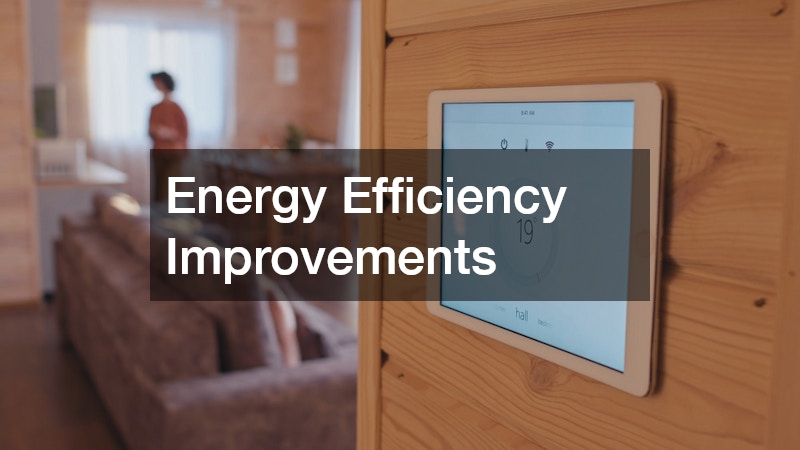
Upgrading HVAC systems and roofing presents an opportunity to improve energy efficiency across the home. Proper planning ensures that new AC units, furnaces, and roofing materials work together to reduce energy consumption, maintain comfortable indoor temperatures, and lower utility costs.
- Insulation and ventilation upgrades: Adding attic insulation and improving ventilation enhances temperature regulation, reducing strain on HVAC systems.
- Energy-efficient HVAC units: Modern AC replacement or furnace repair solutions are designed to consume less energy while delivering better performance.
- Seal air leaks: Inspect doors, windows, and ductwork to prevent energy loss and maintain a consistent indoor temperature.
- Timing with roofing projects: Coordinate upgrades so insulation and ventilation improvements are installed simultaneously, avoiding repeated work.
- Smart controls: Installing programmable thermostats and monitoring systems allows homeowners to optimize temperature and reduce energy waste without sacrificing comfort.
Energy-efficient upgrades improve long-term comfort, reduce bills, and extend the life of both HVAC systems and the roof. Integrating these measures during planned renovations maximizes the return on investment and supports sustainable living.
Scheduling and Budgeting for Multiple Upgrades
Coordinating multiple renovations requires strategic scheduling and careful budgeting. Without a clear plan, projects can overlap, causing delays, increasing costs, and creating logistical headaches.
- Prioritize critical systems: Address urgent repairs first, such as foundation issues, roofing repairs, or HVAC malfunctions that impact comfort and safety.
- Estimate total costs: Include labor, materials, permits, and contingencies for unexpected issues that may arise during renovation.
- Sequence projects effectively: Start with foundation and roofing to protect the structure, followed by HVAC work and energy-efficiency upgrades.
- Coordinate contractors: Schedule roofers, local HVAC contractors, and other professionals to avoid conflicts and ensure smooth workflow.
- Track progress: Maintain detailed records of payments, inspections, and completion milestones to ensure accountability and adherence to the budget.
Thoughtful scheduling and budgeting minimize disruption, reduce stress, and guarantee that each improvement enhances home comfort and system performance. This structured approach allows homeowners to get the most value from each upgrade.
Maintenance Strategies for Long-Term Comfort
Ongoing maintenance is crucial for preserving HVAC performance and roof integrity. Regular inspections and preventive care reduce the likelihood of emergency repairs, extend system lifespans, and maintain consistent home comfort.
- Routine HVAC checkups: Inspect AC units, furnaces, and ductwork at least twice per year to maintain efficiency and safety.
- Roof maintenance: Clean gutters, inspect flashing, and repair minor shingles to prevent leaks and water damage.
- Professional servicing: Engage AC repair specialists, local HVAC contractors, or roofers for annual inspections and preventive maintenance.
- Filter and coil cleaning: Remove dust and debris from HVAC components to improve airflow, efficiency, and indoor air quality.
- Monitor energy performance: Keep an eye on utility bills for signs of inefficiency, which could indicate system degradation or roofing issues.
Consistent maintenance protects investment, ensures safety, and guarantees long-term comfort while minimizing disruptions from unexpected breakdowns or water damage.
Maximizing Long-Term Home Comfort
Integrating roofing and HVAC upgrades allows homeowners to create a living space that is safe, comfortable, and energy-efficient. Coordinated improvements prevent inefficiencies, reduce strain on mechanical systems, and enhance overall home performance.
- Holistic planning: Align roofing, insulation, and HVAC upgrades to optimize airflow, energy efficiency, and temperature regulation.
- Professional expertise: Hiring roofers and licensed local HVAC contractors ensures that installations are done safely and correctly.
- Monitor post-upgrade performance: Track energy usage, temperature consistency, and system performance to identify areas for adjustment or further improvement.
- Energy savings strategies: Integrate energy-efficient HVAC units, enhanced roof insulation, and smart thermostats to maximize cost savings and comfort.
- Routine inspections: Annual inspections for HVAC systems and roofing materials prevent small issues from escalating into major repairs.
By combining strategic planning, professional guidance, and routine maintenance, homeowners can maximize comfort, efficiency, and durability. These coordinated upgrades create a cohesive system that enhances home livability and long-term value.
Maximizing home comfort through HVAC and roofing upgrades requires strategic planning, thorough evaluation, and professional collaboration. By assessing existing systems, identifying issues early, and coordinating work with local contractors, homeowners can achieve long-lasting comfort and efficiency.
Proactively addressing HVAC issues, including AC replacement, furnace repair, and regular HVAC maintenance, in combination with well-planned roof repair services, improves energy efficiency, reduces repair costs, and safeguards structural integrity. Including foundation considerations and energy-efficiency enhancements further enhances performance and protects investments.
A comprehensive, coordinated approach transforms home improvement projects into a unified plan that benefits both the property and its occupants. Strategic sequencing, routine maintenance, and professional involvement create a comfortable, resilient, and efficient home that provides immediate and long-term benefits. Homeowners can enjoy consistent indoor temperatures, lower utility bills, and a safer, more durable structure that stands the test of time.